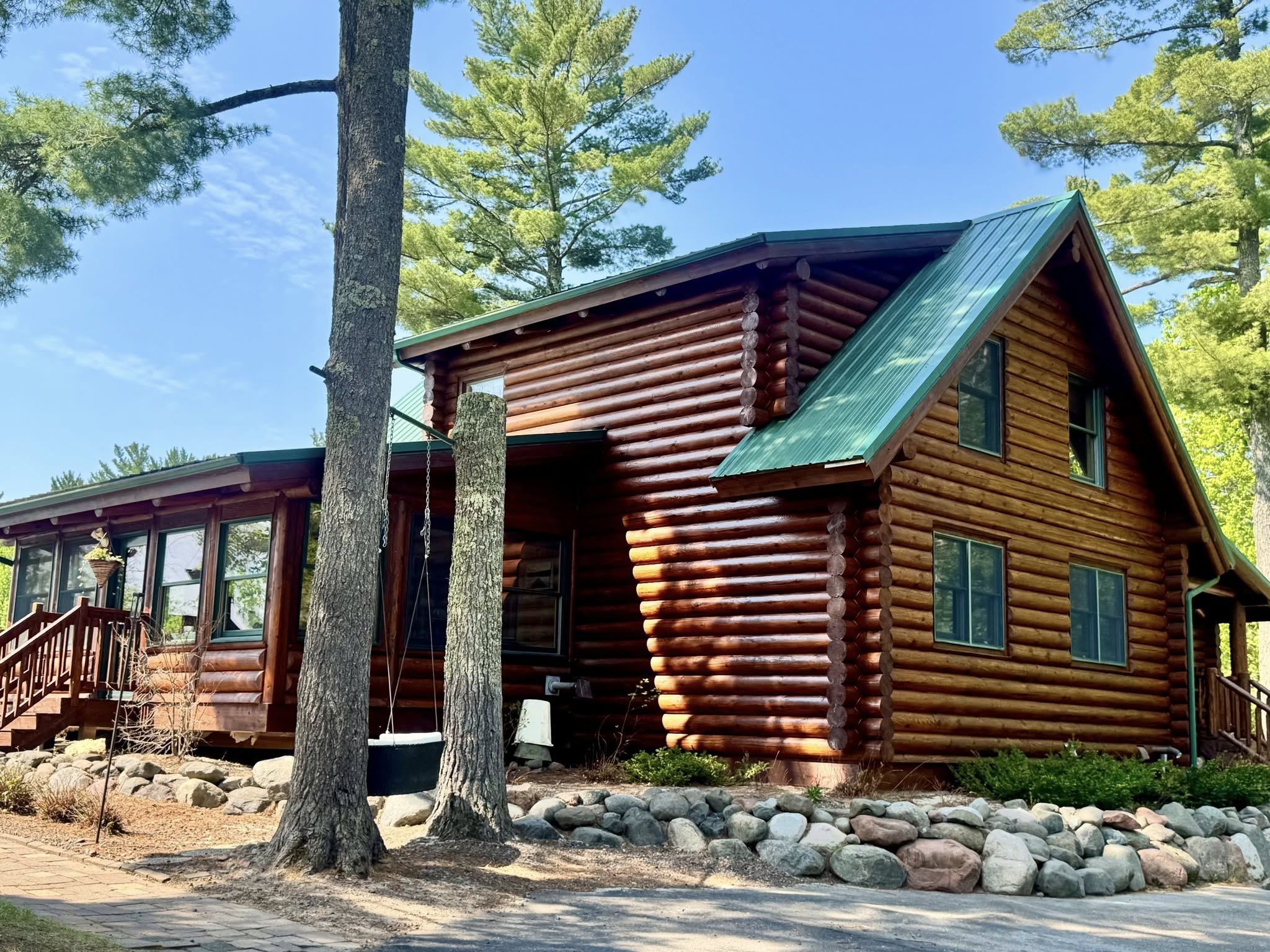
Preserving Your Cabin: The Essential Guide to Log Home Maintenance Mar 28, 2026
Proper log cabin maintenance begins with understanding the unique challenges these structures face. Unlike conventional homes, log homes are continuously exposed to natural elements that can impact the wood. Moisture, insects, and UV rays are common adversaries that can compromise a log cabin's integrity if not addressed. One of the critical components of log home maintenance is regular inspections. At least once a year, or preferably each season, conduct a thorough examination of your cabin's exterior. Look for cracks, decay, or signs of insect infestation. Pay particular attention to areas around windows and doors, which are often susceptible to moisture accumulation.
Next on your maintenance checklist is cleaning the logs. A clean surface not only enhances the beauty of your cabin but also provides an extra layer of protection against elements. Use a mild detergent or a specially formulated log-cleaning product to remove both dirt and mold, being careful to follow the manufacturer’s instructions. This practice helps maintain the logs' natural sheen and preps them for further protective treatments.
Staining and sealing your logs is another pivotal step in log preservation. A quality stain enhances your logs' natural beauty and provides UV protection while sealing prevents moisture penetration. Professionals recommend re-staining and re-sealing every three to five years, depending on your local climate and exposure levels. Choose a high-quality stain with added preservatives to protect against mildew and insect intrusion.
Chinking, the material used to seal the gaps between logs, also requires attention. Over time, chinking can shrink or crack, leaving your cabin vulnerable to pests and the elements. Inspect the chinking annually and repair or replace it as needed to ensure your home remains airtight and efficient.
Maintaining a proper dripline around your cabin is an often-overlooked aspect of log home maintenance. It helps manage water run-off and protects the base of your cabin from prolonged moisture exposure. Ensure your gutters are clean and functional, guiding water away from the structure to prevent log rot.
Don’t ignore your cabin’s surroundings, as landscaping plays a role in maintenance. Trim back trees and shrubs that are in close proximity to avoid moss growth and decreased airflow, as these can promote decay. Regularly inspect your roof for damage, clear debris regularly, and ensure that any overhanging branches are trimmed to prevent them from damaging the structure during storms.
Protecting your log home is not only about preserving its aesthetic appeal but also about extending its lifespan. Regular maintenance might seem like a demanding task, but it's an investment that pays dividends in comfort, security, and longevity. By adhering to these maintenance steps, you ensure that your cabin remains a cherished retreat for generations to come, providing both tranquility and joy. With a little effort and mindfulness, your log home can continue to be a place where memories are made, steeped in the beauty of its natural surroundings.